Foot pain can significantly affect your daily life, particularly when walking, exercising, or standing for long periods. One lesser-known but critical muscle that can be a source of discomfort is the abductor digiti minimi. Though often overlooked, this small muscle on the outer side of the foot plays a vital role in stability and motion. When it becomes irritated or injured, the result can be localized and sometimes intense foot pain. In this article, we explore what the abductor digiti minimi is, how it causes pain, and how to treat and prevent these issues effectively.
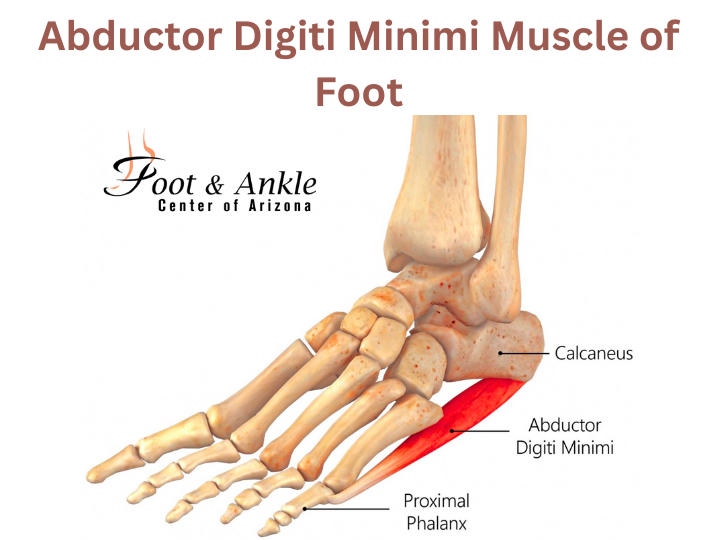
The abductor digiti minimi muscle of the foot is located along the outer (lateral) side of your foot and connects from the heel bone (calcaneus) to the base of the fifth toe. It’s one of the intrinsic muscles of the foot—meaning it’s found entirely within the foot rather than originating elsewhere in the leg.
Its primary function is to:
Despite its small size, this muscle is heavily involved when walking or running, especially when the foot pushes off the ground or when we shift our weight to the outside of the foot.
People who have abnormal foot mechanics, wear ill-fitting shoes, or frequently walk on uneven surfaces are at increased risk for problems involving this muscle. Because it resides near several tendons, nerves, and the plantar fascia, pain in the abductor digiti minimi area may sometimes mimic or contribute to other common conditions like plantar fasciitis or Baxter’s nerve entrapment.
When the abductor digiti minimi foot injury occurs, the result is often localized pain on the outer side of the heel or along the outer edge of the foot. This type of pain is sometimes misdiagnosed as general heel pain or even mistaken for a stress fracture, especially when inflammation is present.
These symptoms may appear gradually or suddenly, depending on the cause. It’s important to seek a proper diagnosis early to avoid further complications.
If you’re experiencing persistent pain on the outside of your foot or heel, a podiatrist can help determine if the abductor digiti minimi is involved. Diagnosis typically includes:
At the Foot and Ankle Center of Arizona, our experienced team uses advanced diagnostic techniques to pinpoint the root of your foot pain for effective and personalized treatment.
Treating abductor digiti minimi foot pain depends on the severity of the injury and its underlying cause. Conservative treatment options typically include:
Reducing high-impact activities like running or jumping allows the muscle to recover. Avoid walking barefoot on hard surfaces during the recovery period.
Applying ice and taking over-the-counter anti-inflammatory medications (such as ibuprofen) can help manage pain and swelling.
Gentle stretches for the foot arch and calf muscles may relieve tension. Once inflammation subsides, targeted strengthening can help prevent recurrence.
Custom orthotic inserts can help redistribute pressure across the foot, while well-cushioned shoes offer protection and support for the outer heel and arch.
Physical therapists can guide patients through rehabilitation exercises designed to restore proper foot mechanics and muscle strength.
In cases of severe inflammation, a corticosteroid injection may be considered to reduce pain and swelling.
Rarely needed, surgery may be considered if conservative treatments fail and imaging shows persistent structural problems or nerve entrapment.
Prevention plays a key role in managing abductor digiti minimi foot issues:
If you’ve had a prior injury to this muscle, regular follow-up and strength maintenance can help reduce the risk of re-injury.
Persistent or recurring pain on the outer edge of the foot should never be ignored. Early evaluation ensures a faster, more effective recovery and helps prevent chronic problems. If you’re experiencing foot pain that interferes with your daily life, the team at the Foot and Ankle Center of Arizona is here to help.
Led by Dr. Kris A. DiNucci, DPM, FACFAS, our clinic combines decades of experience with cutting-edge treatments. Whether you need orthotics, therapy, or advanced imaging to evaluate your pain, our comprehensive approach ensures you receive the best care possible.
Pain stemming from the abductor digiti minimi foot injury may not be widely known, but it can have a substantial impact on your comfort and mobility. Whether caused by overuse, improper footwear, or nerve entrapment, early diagnosis and treatment are key to a successful recovery. At the Foot and Ankle Center of Arizona, our expert team is ready to help you address your pain and restore your quality of life with personalized, compassionate care.