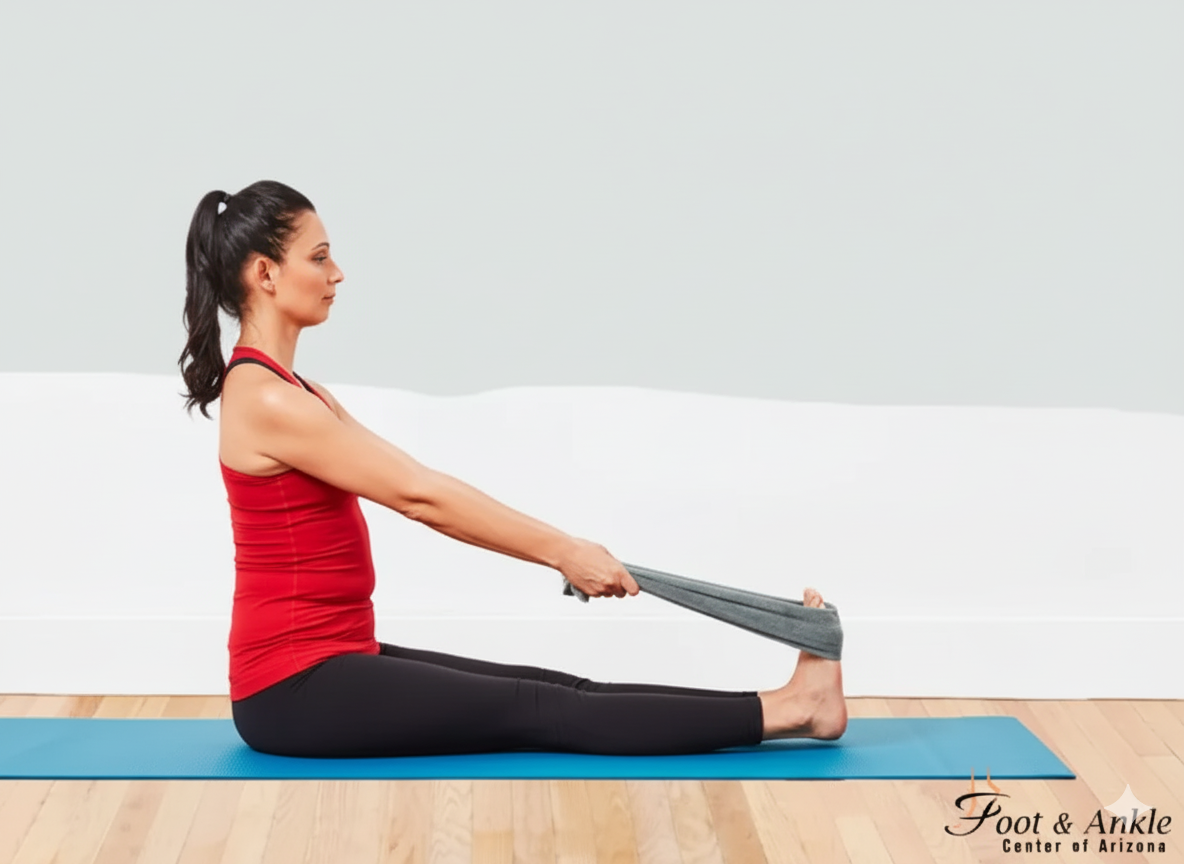
The Achilles tendon does play a vital role in daily walking, running, and jumping. It is good to go for proper stretches that maintain flexibility for good performance and prevention from injury. Having Achilles tendon stretches incorporated into one’s routine is very important for any athlete, after after-injury recovery, or even when one just needs to improve mobility. This guide explores how to go about stretching the Achilles heel, advanced techniques to perform this type of stretching, and torn Achilles tendon recovery time.
The Achilles tendon is the thickest and most robust tendon in the body; it connects calf muscles with the heel bone. In every physical activity, it has to endure much tension. However, the Achilles tendon is also very susceptible to injury overuse, tightness, and even tear.
Torn Achilles tendons are debilitating and take great care in recovery. Stretching can help prevent these types of issues by allowing flexibility to improve along with the resilient tendon.
Stretching the Achilles tendon benefits your overall mobility and helps reduce the risk of injury. Here’s why:
Proper preparation will ensure that you gain maximum benefit from a stretching program without injury:
How to do it:
How to do it:
How to do it:
How to do it:
If injured, for example, an Achilles tendon tear, make a step-by-step process to reduce torn Achilles recovery time:
Heel drop, with control, paying close attention to the loading of the tendon.
Very useful for rebuilding strength in the tendon.
The partner’s resistive stretching allows tension followed by relaxation, thus creating more productive stretching.
Torn Achilles Tendon Recovery Time
Recovery time for an Achilles tendon tear depends on the severity of the injury and the type of treatment applied:
Achilles tendon stretching should be guided during recovery with the help of a physical therapist to avoid re-injury.
Follow these tips to ensure you stretch effectively and safely:
Achilles tendon stretches to improve flexibility, reduce the risk of injuries, enhance mobility, and support recovery from conditions like tendonitis or a torn Achilles tendon.
It is ideal to perform Achilles tendon stretches 2–3 times daily, especially after physical activity or as part of a recovery program for maintaining flexibility and strength.
Yes, frequent stretches reduce tension on the tendon, increase the range of motion, and reduce the risk of overuse injuries, tears, and stiffness.
Overstretching causes a sharp pain, discomfort, or a sense of pulling beyond mild tension. Always pull your legs gently, but never through sharp pain.
Yes, resistance bands are great for assisted stretching, as they increase control and effectiveness when one needs to specifically target the Achilles tendon.
Get warm first, maintain form, avoid overstretching, and stick to a routine to keep it safe and effective.
If you have continuous pain, swelling, or difficulty walking after stretching, consult with a specialist to rule out extreme cases such as tendonitis or a tear.
Yes, it does. The Downward Dog and the first Warrior are excellent in stretching the Achilles tendon while actively recruiting the surrounding muscles.
Most people can benefit from these stretches, but people with injuries or certain medical conditions should consult a health professional before adopting them.
Make sure you include Achilles tendon stretches into your daily routine for flexibility, performance, and recovery. These methods will change your mobility from injury prevention to minimizing torn Achilles tendon recovery time. You can have safe, effective, and fitness-level stretches to start with today.