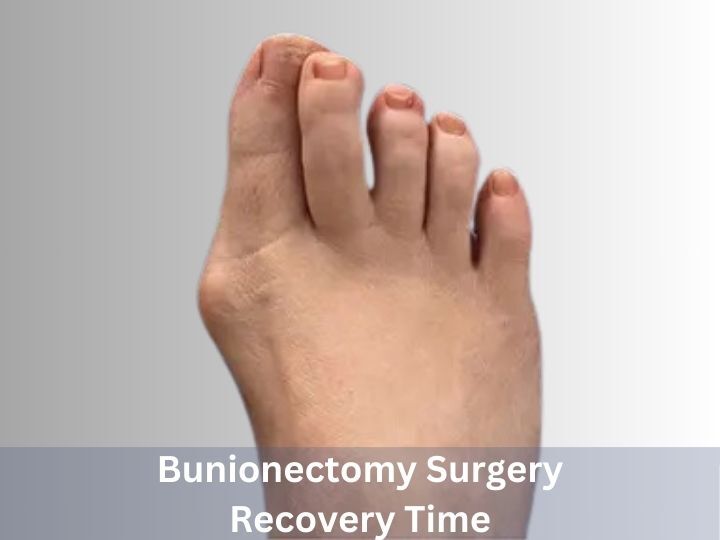
Bunions, or hallux valgus, are very common foot deformities that include lateral deviation of the big toe. The condition may cause considerable discomfort and pain, which often needs surgical intervention; such surgeries are usually referred to as bunionectomy. While these surgeries may be effective in relieving symptoms and restoring alignment to the foot, knowing what to expect during recovery is important for the patient. This article provides an in-depth look at bunionectomy surgery recovery time, factors influencing recovery, and tips for a successful healing journey.
A bunionectomy refers to any procedure wherein the surgeon corrects the bunion by repositioning the bones of the big toe and removing the bony prominence. There are a lot of ways to do bunionectomy, including the following:
Osteotomy: The big toe bones are surgically cut and realigned.
Exostectomy: It is the removal of the bony bump without realignment of the bones.
Arthrodesis: This procedure involves the fusion of bones in the joint in extreme cases.
The line of treatment would vary in relation to the extent of the bunion and one’s general health.
Recovery from bunionectomy surgery can be broken down into distinct phases, each with its own timeline and set of expectations.
The initial days after surgery are critical for pain management and the prevention of complications. The patient will experience swelling and discomfort during this phase. Important points to note include:
Improvement of some pains, while some swelling, may be experienced by patients during the first two weeks following surgery.
As healing takes place, patients will resume to more active states progressively.
By six weeks post-surgery, many patients experience significant improvements in mobility and comfort.
Complete healing following bunionectomy surgery may be many months.
Several factors can influence how quickly a patient recovers from bunionectomy surgery:
The type of bunionectomy done will considerably influence the period of recovery. For instance, the invasive ones such as arthrodesis take longer to recover than simple osteotomies.
Generally, young patients recover much quicker than the elderly due to good health and resistance to infection. Comorbid conditions, including diabetes and circulatory disorders may delay recovery.
Recovery is greatly enhanced through adherence to post-operative care. In fact, the vast majority of patients are found to be recovering much better when they follow their doctor’s instructions for rest, elevation, wound care, and physical rehabilitation.
The lifestyle of a patient may interfere with the healing process. One such habit that reduces blood circulation and slows the wound healing process includes smoking.
To maximize recovery speed and effectiveness after bunionectomy surgery, consider these actionable tips:
Follow the medication, wound care, and activity level as instructed by your surgeon post-operation. Regular follow-ups will keep a track of the progress.
Take pain medications according to the prescription of the doctor; besides, alternative methods like ice packs or elevation can also be done to reduce pain.
Engage in active exercise, like physical therapy exercises, which your doctor may recommend. In due time, such exercises can help your foot regain flexibility and strength.
Adequate nutrition helps support the body’s healing process. High intakes of foods rich in protein, vitamin C, zinc, and omega-3 fatty acids especially promote repair processes of the tissues.
It also keeps the body well hydrated, which may help the recovery process through the provision of good circulation and transportation of substances within the body.
Avoid high-impact activities such as running or jumping until your healthcare professional says it is okay. This is important to avoid complications and setbacks during your recovery process.
Bunionectomy surgery is effective for pain relief, though the estimation of recovery time needs to be considered in light of setting realistic expectations. Recovery after bunionectomy usually takes several months, which depends again on various individual factors, including the type of surgical technique applied, age, health status, and adherence to post-operative care. These can be further improved with the help of follow-up medical advice, pain management, physical therapy, maintaining a healthy lifestyle, and also avoidance of high-impact activities during the healing process. Improvements made will allow the patient to return to normal living with better foot health.
If you’re considering bunionectomy surgery or have recently undergone the procedure, consult with your healthcare provider for personalized advice tailored to your unique situation. With proper care and patience, you’ll be well on your way to enjoying a pain-free life once again!