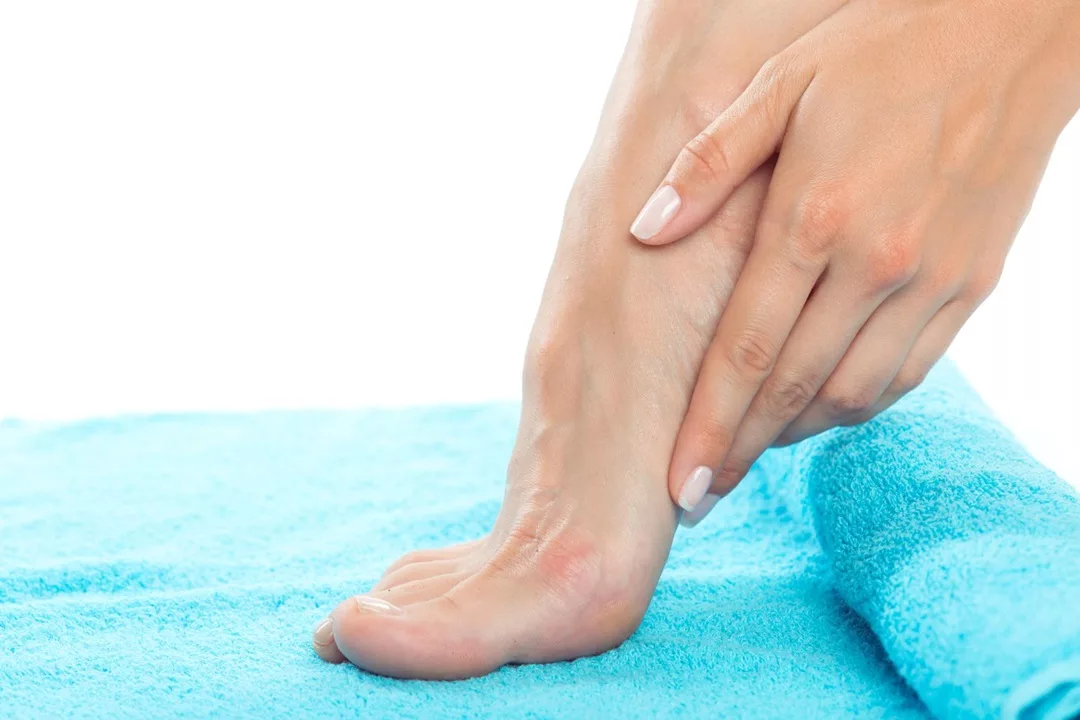
Foot health forms a critical part of our overall well-being, yet it is often overlooked until a problem arises. One such issue that could severely impact one’s life is ‘Drop Foot.’ Unfamiliar to many, this disorder could change a person’s way of walking and balancing, and, in severe cases, may result in a significant fall. To raise awareness and provide comprehensive information, this article will delve into the condition called Drop Foot, from its causes and symptoms to treatment options and preventive measures.
Drop Foot is a medical condition characterized by an inability to lift the front part of the foot. This difficulty results in a scuffing or dragging of the foot on the ground when walking or an exaggerated lifting of the thigh, a gait known as ‘steppage.’ It is usually a symptom and not a disease itself, hinting at underlying nerve or muscle disorders, damage, or central nervous system issues.
Several conditions can cause Drop Foot, all related to the impairment of the muscles or nerves that lift the foot:
Recognizing the variance in the causes, let’s explore the topic that many are curious about early signs of Drop Foot.
Early detection of any disorder is crucial for effective treatment. Key signs of Drop Foot include:
If these symptoms seem familiar, it’s best to consult with a healthcare professional who would diagnose the condition primarily through physical examination. However, further testing may occur if necessary.
After diagnosis, the treatment approach for Drop Foot depends on its severity and cause. Some commonly used treatment methods include:
Yes, Drop Foot can be severe, further underscoring the importance of early detection and treatment. Left untreated or not managed correctly, it can lead to an increased risk of tripping and falling, decreased mobility, dependency on assistive devices for movement, and a potential decline in overall quality of life.
Preventing Drop Foot primarily involves managing risk factors related to nerve damage. For example, avoid crossing your legs for extended periods, manage underlying conditions like diabetes effectively, and adopt a regular exercise routine for overall nerve health.
In conclusion, Drop Foot, while a significant health concern, can be managed and treated effectively with medical assistance. Awareness and understanding of the condition are crucial. If you or anyone you know are experiencing signs associated with Drop Foot, please consult with a healthcare professional.