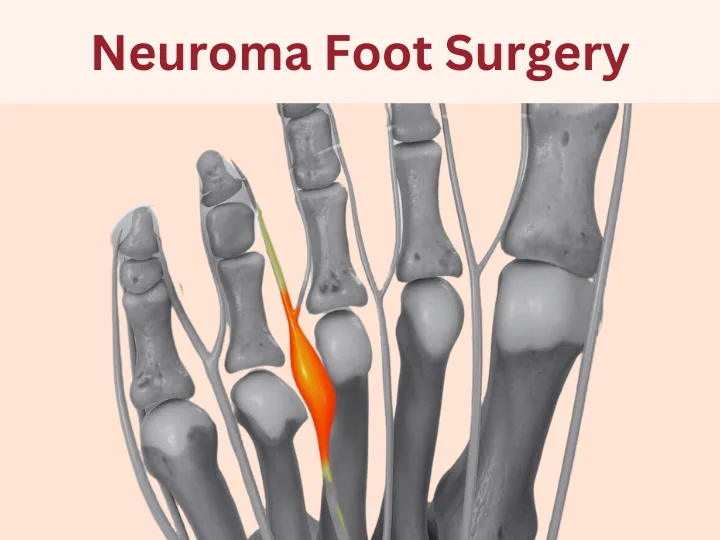
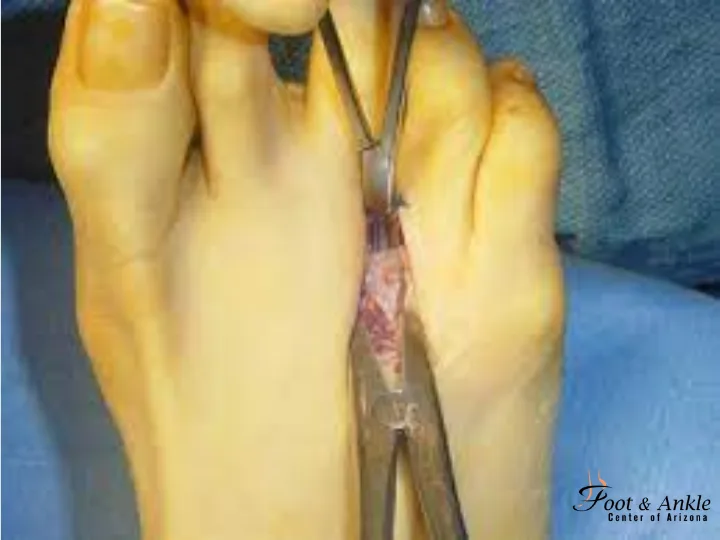
Neuromas can be debilitating, causing pain and discomfort that interferes with daily life. Commonly affecting the foot, a neuroma is a thickened nerve often resulting from irritation or pressure. Morton’s neuroma, a prevalent type, typically develops between the third and fourth toes. While non-surgical treatments can offer relief, severe cases may require neuroma foot surgery to restore comfort and mobility. This article delves into everything you need to know about neuroma foot surgery, from its necessity to recovery.
A neuroma is a benign growth or thickening of nerve tissue. It often forms in the feet due to repetitive stress, improper footwear, or abnormal foot structures. Morton’s neuroma, the most common type, causes sharp, burning pain, numbness, or a sensation like stepping on a pebble.
Risk factors for neuromas include:
Recognizing symptoms early and seeking medical advice is crucial to prevent worsening discomfort.
For many, non-surgical treatments like orthotics, physical therapy, and anti-inflammatory medications effectively alleviate neuroma symptoms. However, surgery becomes necessary when:
A thorough consultation with a podiatrist or foot specialist, including imaging and physical assessments, helps determine whether surgery is the best option.
This procedure involves releasing tight ligaments and tissues surrounding the affected nerve, reducing pressure. Decompression surgery is minimally invasive and can significantly ease symptoms without removing the nerve.
When decompression isn’t sufficient, the affected nerve may be surgically removed. This option eliminates pain but may leave the patient with some permanent numbness in the affected area. While effective, it requires careful post-operative care to avoid complications.
Before surgery, your doctor will conduct a detailed evaluation, including:
Neuroma surgery is typically performed as an outpatient procedure under local or general anesthesia. Depending on the chosen method:
Recovery varies based on the procedure:
Following your doctor’s advice ensures optimal healing.
Neuroma foot surgery offers several advantages, including:
Many patients report high satisfaction rates, with long-term relief from symptoms.
While generally safe, neuroma foot surgery carries some risks:
Discussing potential risks with your surgeon helps set realistic expectations.
Selecting an experienced specialist ensures a successful outcome. Key considerations include:
During consultations, ask about the surgeon’s approach, recovery support, and success rates.
For patients not ready for surgery, alternatives may provide relief:
These options can delay or prevent the need for surgery in mild to moderate cases.
The cost of neuroma foot surgery varies depending on location, surgeon expertise, and procedure type.
Financial planning and discussing options with your provider can ease the process.
Neuroma foot surgery offers hope to individuals grappling with severe pain and mobility challenges. By addressing the root cause, this procedure restores comfort, function, and quality of life. If you’re struggling with neuroma symptoms, consult a trusted specialist to explore your options and determine whether surgery is right for you. With the right care, you can take confident steps toward a pain-free future.