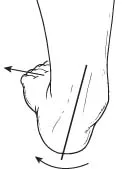
Posterior tibial tendon dysfunction (PTTD) arises from alterations in the posterior tibial tendon, a crucial support structure for the foot during walking. This condition results in the loss of its ability to uphold the arch, leading to a flattening of the foot.
Often referred to as adult-acquired flatfoot, PTTD is the most prevalent form of flatfoot that emerges in adulthood. While typically affecting one foot, it can occasionally manifest in both feet. PTTD is typically a progressive condition, meaning it worsens over time, particularly if left untreated.
The primary cause of PTTD is the overuse of the posterior tibial tendon. Symptoms generally arise after activities that place strain on the tendon, such as running, walking, hiking, or climbing stairs.
PTTD presents with various symptoms, including pain, swelling, flattening of the arch, and an inward rolling of the ankle. As the condition advances, these symptoms evolve.
Initially, when PTTD develops, there is pain along the inner side of the foot and ankle, following the course of the tendon. This area may also appear red, warm, and swollen.
As the arch begins to flatten, pain may persist on the inner side of the foot and ankle, but the foot and toes gradually turn outward, and the ankle rolls inward.
In more advanced stages of PTTD, the arch flattens further, and pain often shifts to the outer side of the foot, below the ankle. The tendon experiences significant deterioration, and arthritis can develop within the foot. In severe cases, ankle arthritis may also become a concern.
Given the progressive nature of PTTD, it is advisable to seek early treatment. With prompt intervention, symptoms may resolve without the need for surgery, and the condition’s progression can be halted.
In many instances, non-surgical approaches may be initiated, which include:
Surgical intervention may become necessary in cases of PTTD that have significantly progressed or have not responded to non-surgical treatments. In advanced instances, surgery may be the sole option. Your foot and ankle specialist will assess your condition and recommend the most suitable approach for your situation.