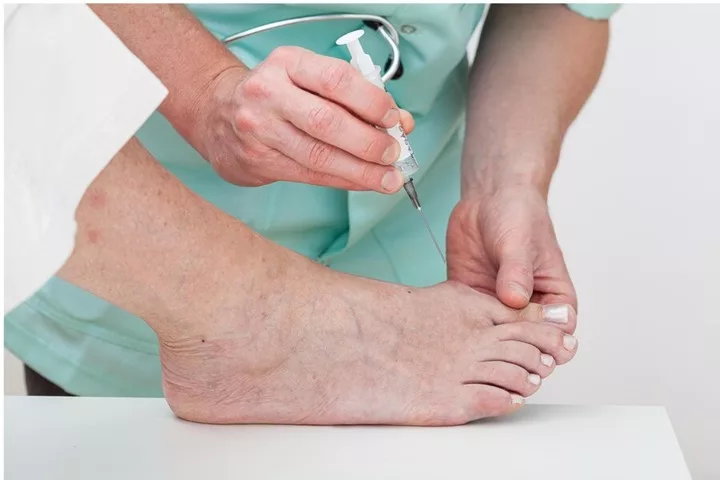
To fully grasp sesamoid injuries, it’s essential to know what sesamoids are. These are bones that are enveloped within tendons and are prevalent in multiple joints throughout the body. In a typical foot, there are two sesamoid bones, resembling peas in shape, situated in the foot’s ball, specifically under the big toe joint.
The sesamoids function as a lever, aiding tendon movement and thus facilitating the big toe’s normal movement. They provide the push-off force needed during walking, running, or jumping and also act as a weight-bearing area for the first metatarsal bone, mitigating the pressure on the foot’s ball with every step taken.
Sesamoid injuries may involve the bones themselves, the tendons, or the surrounding tissues, and can be attributed to heightened pressure on the ball of the foot, like in running, basketball, and ballet. High arches or frequent wearing of high heels can also be factors contributing to sesamoid issues.
These injuries come in various forms:
Diagnosis begins with a physical examination of the foot, focusing on the big toe joint’s range of motion, the patient’s gait, and shoe wear patterns. X-rays or advanced imaging studies may follow.
Nonsurgical options may include:
Surgery might come into play when nonsurgical methods don’t yield desired results. The type of surgery will hinge on the specific patient’s condition and needs.
In rewriting this article, we have preserved the essence of the original information, providing a comprehensive understanding of sesamoid injuries, including their types, diagnosis, treatment, and the circumstances under which surgery may be necessary.