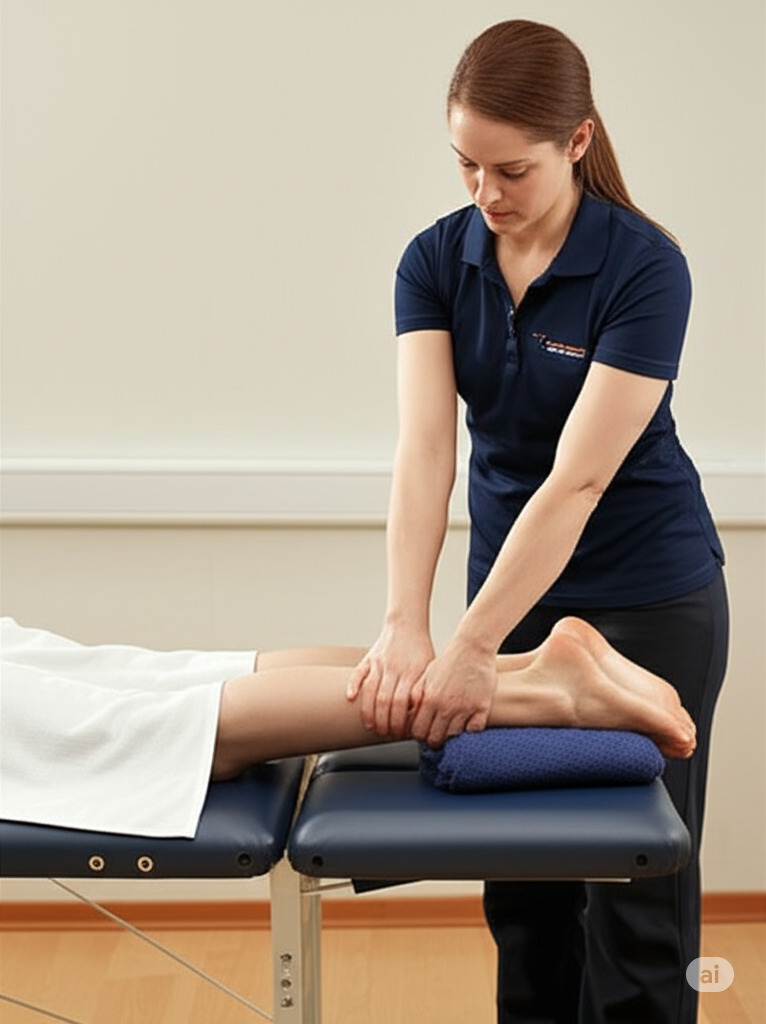
The Achilles tendon, the largest tendon in the human body, plays a huge role in every person’s life because it is connected with such actions as walking, running, and jumping; it connects calf muscles to the heel bone. Because of the huge role it plays in movements that involve pushing off the ground, this tendon is very susceptible to injuries, especially Achilles tendinopathy, which includes pain and limited mobility. The best ways to maintain health in the Achilles tendon and enable its recovery are specific stretches targeting this area. Various techniques of stretching the Achilles tendon, their benefits, and how to include them into one’s routine are discussed here.
Achilles tendinopathy is one of the common painful conditions that present itself with pain and stiffness down the back of the heel. It often results from overuse, especially in a high-impact sport that has repeated strain on the tendon. Symptoms may include the following:
To prevent these issues or aid recovery, incorporating stretching exercises into your routine is essential.
Most Achilles tendon stretching exercises target these two primary muscles: the gastrocnemius and the soleus. These two muscles take residence in the calf area, which plays an important part in ankle movement and function of the whole lower leg. Regular stretching can therefore provide for:
Here are some effective stretching exercises that can help maintain and improve the health of your Achilles tendon:
Instructions:
This stretch targets the gastrocnemius muscle, which is crucial for ankle mobility.
Instructions:
This exercise focuses on the soleus muscle, which is important for activities like walking and running.
Instructions:
This stretch is particularly useful for those who may have difficulty standing or balancing.
Instructions:
Eccentric heel drops are effective for strengthening both the calf muscles and Achilles tendon while promoting flexibility.
Instructions:
This exercise strengthens both calf muscles while also enhancing balance.
To maximize benefits from these stretching exercises:
1. What are the common symptoms of Achilles tendonitis?
Achilles tendonitis generally presents as pain and stiffness along the posterior aspects of the ankle or the area above the heel upon waking up in the morning or after periods of immobility. Swelling, tenderness, thickening of the tendon is visible. Pain usually worse during any kind of phys-ical activity such as running or stair climbing in relation to walking or going through activities of daily living.
2. How can I differentiate between Achilles tendonitis and other heel pain conditions?
Achilles tendonitis is the pain down the back of the ankle, just above the heel, and is usually accompanied by stiffness and swelling. Plantar fasciitis causes pain under the heel, especially with the first steps in the morning. Heel spurs and bursitis may also cause localized pain, but these conditions generally have distinct triggers or locations. A healthcare professional can provide a definitive diagnosis through a physical exam or imaging studies.
3. What are the best exercises to reduce pain and inflammation in the Achilles tendon?
Effective exercises for Achilles tendonitis include:
4. How does eccentric exercise help in the rehabilitation of Achilles tendonitis?
Eccentric exercises, including slow heel drops, involve the lengthening of the tendon under load. They stimulate collagen production inside the tendon, hence promoting its strengthening and reducing the pain over time. They allow the tendon fibers to be remodeled into better positions and make them more resistant to injury. These exercises, if continually performed with the help of a physical therapist, speed up the process of recovery and reduce recurrence.
5. What role does physical therapy play in treating Achilles tendonitis?
The main role of physical therapy in the management of Achilles tendonitis is that it offers a multifaceted approach to the treatment. The therapists provide personal exercise programs to enhance strength and flexibility, manual therapy to reduce stiffness, and modalities such as ultrasound, ice, or heat to reduce pain and inflammation. Moreover, they can identify biomechanical issues, like improper gait or improper footwear, and correct these in order to avoid future injury.
Exercises in stretching are important to maintain health in the Achilles tendon and prevent injury caused by overuse. Certain stretches to the gastrocnemius and soleus muscles will most definitely help achieve increases in flexibility, reductions in pain, and thus speedy recoveries for those injured of the same ailment. Remember, the more consistent one is, the better the result after some time.
If some of the exercises mentioned are consistently painful or create discomfort, then the individual should seek a medical opinion or that of a physical therapist regarding what will be best for his or her condition. Keep your Achilles tendon healthy, and enjoy a pain-free, active life by being consistent with proper care.