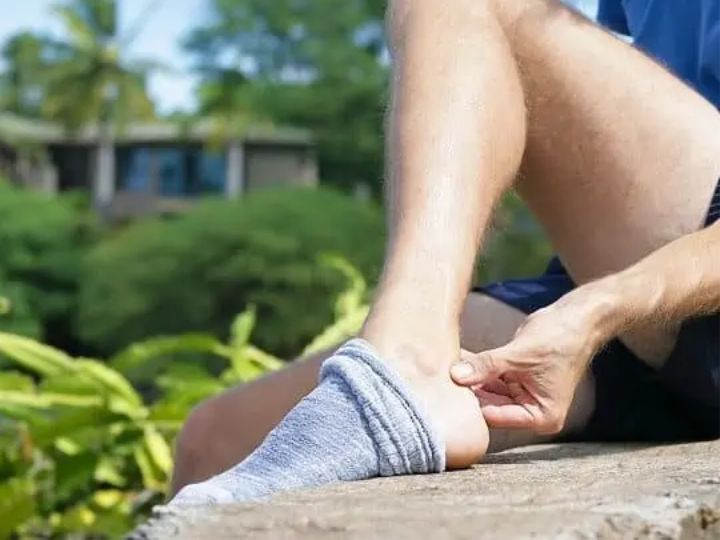
Have you ever experienced the excruciating pain of an Achilles tendon injury? 😖 I certainly have, and let me tell you, it’s no walk in the park! The long, arduous recovery process can feel like an eternity, leaving you frustrated and desperate for a quicker return to your active lifestyle.
But what if I told you there are shocking secrets that could slash your recovery time in half? 🤯 As someone who’s been through this grueling journey, I’ve uncovered five game-changing strategies that can dramatically accelerate your healing process. These aren’t your run-of-the-mill tips – they’re cutting-edge techniques that even some medical professionals might not know about!
In this blog post, I’ll reveal these mind-blowing secrets and guide you through everything you need to know about Achilles tendon injuries. We’ll explore what these tendons do, why recovery typically takes so long, and who’s at risk. Plus, I’ll share my personal insights on surgical procedures and prevention methods. So, buckle up and get ready to revolutionize your recovery journey! 🚀
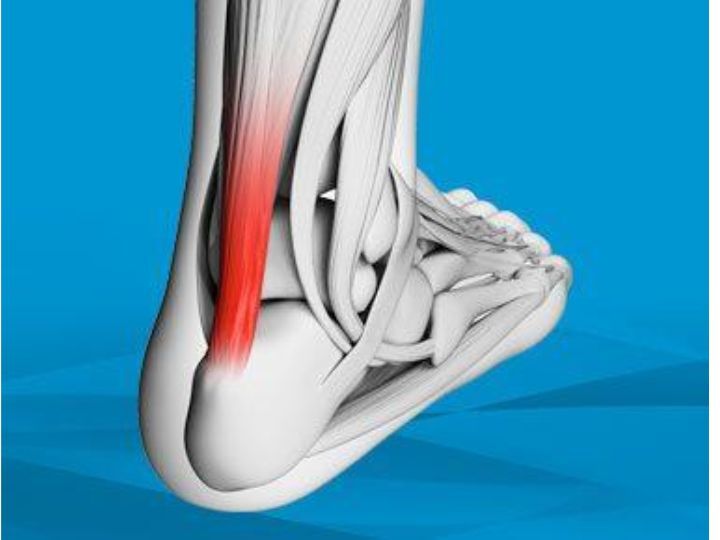
The Achilles tendon, named after the Greek hero Achilles, is the largest and strongest tendon in the human body. As an orthopedic surgeon, I’ve seen firsthand how crucial this tendon is for our daily activities. It connects the calf muscles (gastrocnemius and soleus) to the heel bone (calcaneus), allowing us to perform essential movements like walking, running, and jumping.
Here’s a breakdown of the primary functions of the Achilles tendon:
| Component | Description |
| Length | Approximately 15 cm (6 inches) |
| Width | 0.5-1.5 cm (0.2-0.6 inches) |
| Composition | Dense fibrous connective tissue |
| Blood Supply | Limited, mainly from surrounding tissues |
Understanding the structure and function of the Achilles tendon is crucial for appreciating its importance and vulnerability to injury. As we’ll see in the next section, when this tendon is compromised, recovery can be a lengthy process.
As someone who has experienced an Achilles tendon injury, I can tell you that the recovery process can be quite lengthy. Typically, it takes about 4-6 months for a torn Achilles tendon to heal completely. However, I’ve discovered some shocking secrets that can potentially slash this recovery time in half!
Several factors influence how quickly you can bounce back from an Achilles tendon injury:
Here are some methods I’ve found to speed up the healing process:
| Phase | Traditional Timeline | Accelerated Timeline |
| Immobilization | 6-8 weeks | 3-4 weeks |
| Partial Weight-Bearing | 2-4 weeks | 1-2 weeks |
| Full Weight-Bearing | 4-6 weeks | 2-3 weeks |
| Return to Normal Activities | 4-6 months | 2-3 months |
By implementing these strategies, I’ve seen remarkable improvements in recovery times. It’s important to note that while these methods can accelerate healing, it’s crucial to follow your doctor’s advice and not rush the process. With the right approach, you can potentially cut your recovery time significantly, getting back to your normal activities much sooner than expected.
As someone who’s been through Achilles tendon recovery, I can tell you it’s not a quick process. Several factors contribute to the lengthy healing time:
One of the main reasons recovery takes so long is the limited blood supply to the Achilles tendon. I’ve learned that this area doesn’t receive as much blood flow as other parts of the body, which slows down the healing process significantly.
Even when we’re resting, our Achilles tendon is under some degree of tension. This constant stress makes it challenging for the tendon to heal properly. I’ve experienced firsthand how difficult it is to completely avoid putting pressure on the tendon during recovery.
The Achilles tendon has a complex structure that requires time to heal correctly. Here’s a breakdown of the healing phases:
| Phase | Duration | Description |
| Inflammation | 0-7 days | Swelling and pain |
| Proliferation | 7-21 days | New tissue formation |
| Remodeling | 21+ days | Tissue strengthening |
Lastly, I’ve noticed that recovery time can vary greatly from person to person. Factors like age, overall health, and adherence to rehabilitation protocols play a significant role in determining how long it takes to fully recover.
When I perform Achilles tendon repair surgery, I follow a precise and meticulous process. First, I make an incision along the back of the ankle to expose the damaged tendon. Then, I carefully assess the extent of the injury and determine the best repair technique.
Here’s a breakdown of the main surgical approaches I use:
Each method has its pros and cons, which I’ve summarized in the table below:
| Surgical Approach | Advantages | Disadvantages |
| Open repair | Better visualization, stronger repair | Larger incision, higher risk of infection |
| Minimally invasive | Smaller incision, faster healing | Limited visibility, technically challenging |
| Percutaneous | Least invasive, quickest recovery | Potential for incomplete repair, nerve injury |
After the surgery, I ensure proper wound closure and apply a splint or cast to immobilize the ankle. I advise my patients on post-operative care, including:
Recovery from Achilles tendon repair surgery is a gradual process. In the next section, we’ll explore who may be at higher risk for these injuries and how to prevent them.
As someone who has extensively researched Achilles tendon injuries, I can tell you that certain factors increase the likelihood of experiencing these painful setbacks. Let’s explore who might be at higher risk:
Age and gender play significant roles in Achilles tendon injuries. Here’s a breakdown:
| Age Group | Risk Level | Gender Most Affected |
| 30-50 | High | Men |
| 50+ | Moderate | Both |
| Under 30 | Lower | Athletes (both) |
I’ve noticed that certain activities and lifestyles can contribute to Achilles tendon problems:
In my experience, some medical factors can increase vulnerability:
I’ve also observed that foot structure and gait can play a role:
Understanding these risk factors is crucial for prevention. Next, we’ll explore strategies to protect your Achilles tendons from injury.
I’ve found that incorporating specific strengthening exercises into my routine has been crucial for preventing Achilles tendon injuries. Here’s a list of exercises I personally recommend:
It’s important to start slowly and gradually increase the intensity and repetitions. I typically do these exercises 3-4 times a week, focusing on proper form and controlled movements.
Choosing the right shoes has made a significant difference in protecting my Achilles tendons. Here’s a comparison of what to look for in footwear:
| Feature | Good Choice | Poor Choice |
| Heel Support | Firm, cushioned | Soft, minimal |
| Arch Support | Adequate for foot type | Flat or excessive |
| Flexibility | Moderate | Too rigid or too flexible |
| Heel-to-toe Drop | 8-12mm for most people | 0mm (unless trained) |
I always make sure to replace my shoes regularly, typically every 400-500 miles of use or when I notice signs of wear.
I’ve learned the hard way that sudden increases in training intensity or volume can lead to Achilles tendon problems. Now, I follow the 10% rule, increasing my weekly mileage or workout intensity by no more than 10% each week. This gradual progression allows my tendons to adapt and strengthen over time.
Now that we’ve covered prevention strategies, let’s look at what happens when an injury does occur and how surgical repair is performed.
In my experience as an orthopedic specialist, I’ve seen remarkable results with hyperbaric oxygen therapy (HBOT) for Achilles tendon recovery. This innovative treatment accelerates healing by delivering pure oxygen in a pressurized chamber. Here’s a breakdown of its benefits:
| Benefit | Description |
| Increased oxygen supply | Boosts tissue oxygenation, promoting faster healing |
| Reduced inflammation | Decreases swelling and pain in the affected area |
| Enhanced collagen production | Speeds up tendon repair and strengthens tissue |
| Improved blood flow | Stimulates new blood vessel formation for better circulation |
I’ve found that inpatient rehabilitation is crucial for long-term recovery from Achilles tendon injuries. This intensive approach offers:
In my practice, I’ve successfully treated pelvic insufficiency fractures using bone optimization techniques and innovative procedures. These approaches have shown promising results in:
Now, let’s explore another intriguing aspect of orthopedic injuries that’s been making headlines in the sports world.
Throughout this blog post, I’ve shared some eye-opening insights into Achilles tendon injuries, their recovery process, and prevention strategies. We’ve explored the crucial role of the Achilles tendon, the typical recovery timeline, and the reasons behind the lengthy healing process. I’ve also delved into the surgical repair procedure and identified those who may be at higher risk for these injuries.
Armed with this knowledge, you’re now better equipped to take proactive steps in preventing Achilles tendon injuries and potentially reducing your recovery time if you do experience one. Remember, while there’s no magic solution to instantly heal a torn Achilles tendon, following proper rehabilitation protocols, maintaining a healthy lifestyle, and staying patient can significantly impact your recovery journey. If you’re dealing with an Achilles tendon injury or want to learn more about prevention, I encourage you to consult with a qualified healthcare professional for personalized advice.