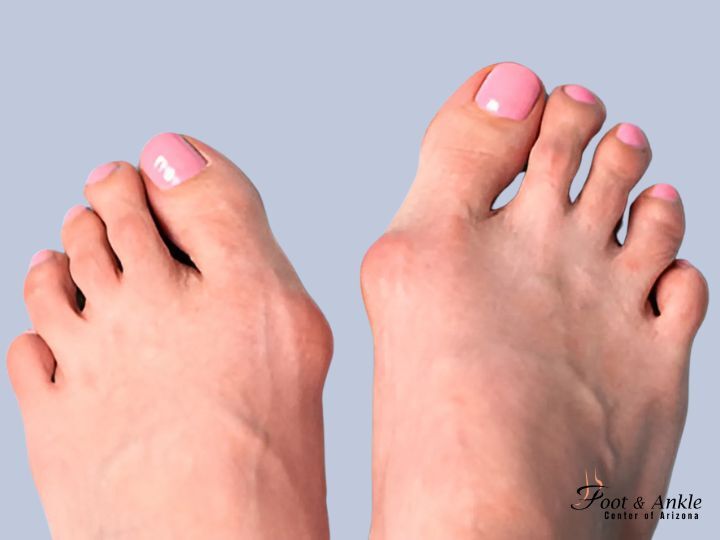
A bunion — or hallux valgus, as the condition is clinically known — is a common foot deformity in which pressure and friction cause fleshy tissue to input at the base of your big toe and create a bony bump. For many people, surgery is the only option, since they can be painful and disrupt daily life. Depending on the severity of a bunion, there are several different types of bunion surgery, each of which is tailored to the individual patient’s needs. Here’s a guide to the various types of surgical procedures available to correct bunions, and what each entails.
Bunions form as a result of genetics, poorly-fitting shoes, arthritis, or foot structure disorders. Mild bunions can often be controlled through orthotics, proper footwear and physical therapy, but surgery is needed when pain and discomfort remain despite conservative treatment.
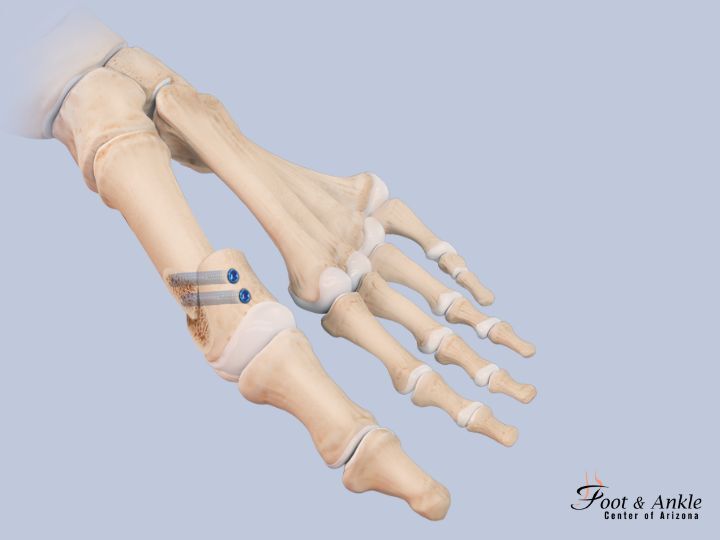
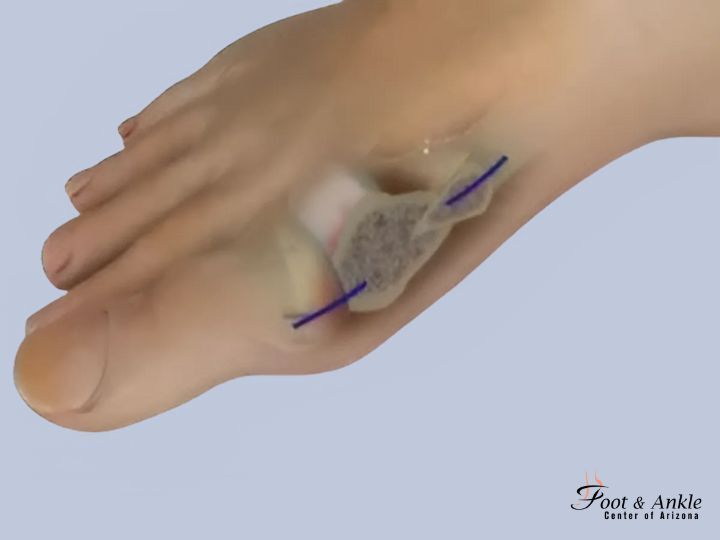
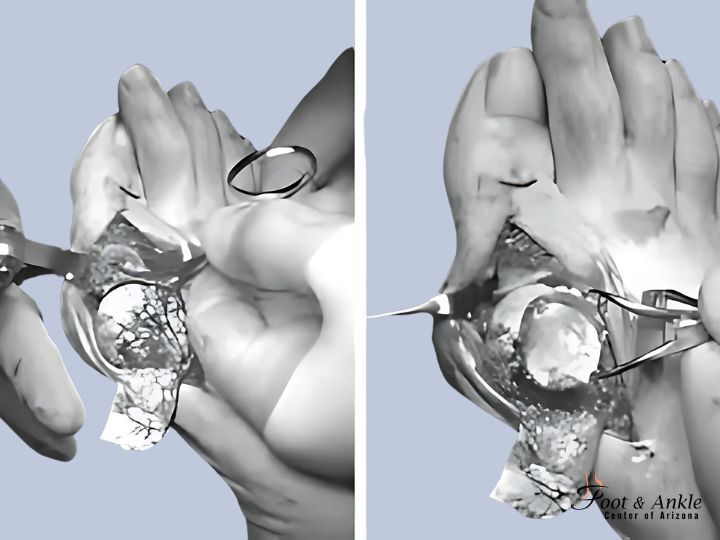
The most common surgery for bunions is called osteotomy. This includes cutting and repositioning the bones to fix the deformity. There are several types of osteotomy procedures:
Exostectomy (simple bunionectomy) — The surgeon removes the bony bump on the side of the foot. This procedure is invariably done with other procedures, as it does not address the underlying misalignment.
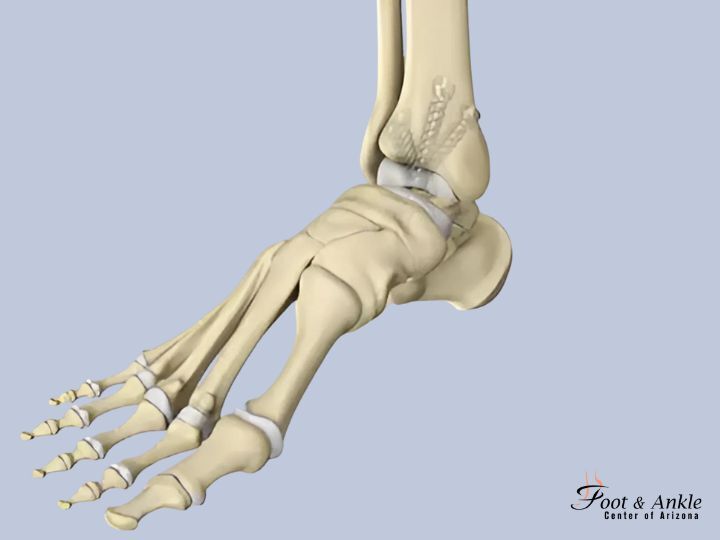
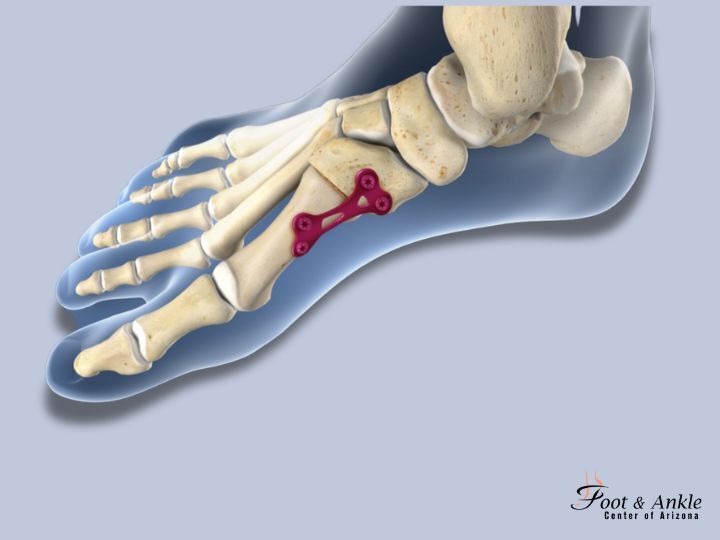
Arthrodesis, or joint fusion, is a procedure used for the more severe forms of bunions, especially those related to arthritis. The surgeon cleans up the afflicted joint and fuses the bones together with screws or plates. This stops joint movement, alleviating pain and preventing additional deformity.
The most common representative is the Lapidus procedure, an arthrodesis of the first metatarsal with the medial cuneiform. It works well for hypermobile patients or severe bunions. It helps hold the joint steady to avoid recurrence and offers long-term correction.
Minimally invasive bunion surgery uses small incisions and specialized instruments to realign the bones without significant trauma to surrounding tissue. The advantages of this approach are
This technique is most appropriate for mild to moderate bunions.
Keller bunionectomy Removing a portion of the base of the big toe joint. It is usually reserved for older patients whose arthritis is so advanced that they are not a candidate for other bunion correction surgeries.
Bunions can also form as a result of muscle and tendon imbalance. The surgeon then arranges the soft tissues around the prominent area to realign them. This procedure is frequently combined with osteotomy or bunionectomy.
Bunion surgery recovery is dependent on the type of surgical procedure performed. Here are a few general rules of thumb:
As with any surgical procedure, bunion surgery has some risks, including:
Selecting an experienced foot surgeon and following instructions for post-operative care can reduce these risks.
Depending on the severity of the bunion, the composition of your foot. And your overall health, there are several different types of bunion surgery that may be performed. If you suffer from a mild, moderate, or severe bunion, a foot and ankle surgeon will help evaluate the best surgical alternative for your individual needs. Knowing what these procedures entail will help you decide if it is a good fit for your foot health and recovery.