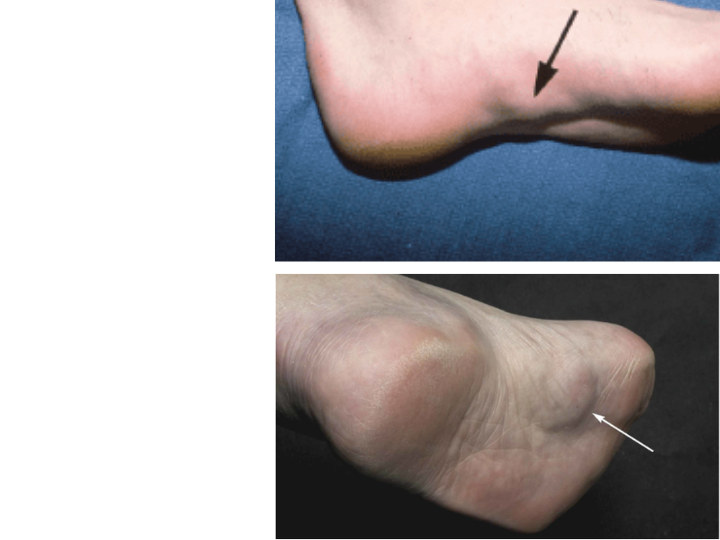
If you’ve ever noticed a lump on the bottom of your foot and wondered what it could be, you’re not alone. One possible cause of that bump is a plantar fibroma. But what does plantar fibroma look like? How do you know if that lump is something to worry about or just part of your foot’s natural structure?
In this article, we’ll walk you through everything you need to know—from visual signs to when it’s time to see a specialist.
Before identifying how it looks, it’s helpful to understand what a plantar fibroma is. It’s a benign (non-cancerous) growth that forms within the plantar fascia—the thick band of tissue that runs along the bottom of your foot from the heel to the toes.
This fibrous nodule is firm to the touch and usually located in the arch of the foot. While it’s harmless in terms of cancer risk, it can cause discomfort, especially when walking or wearing shoes.
Now to the key question: what does plantar fibroma look like?
Here’s what to look out for:
Most plantar fibromas develop in the arch of the foot, though they can appear in one or both feet. Some people may develop more than one lump, which is then referred to as plantar fibromatosis.
A plantar fibroma doesn’t always hurt. In fact, many people discover it by accident while massaging their foot or during a doctor’s visit.
Pain usually occurs when:
If you think you’ve spotted a plantar fibroma, the next step is a proper diagnosis. A foot and ankle specialist (podiatrist) may use the following methods:
Not all plantar fibromas require treatment—especially if they’re small and painless. However, if discomfort interferes with daily activities, here are some common options:
Surgery may be considered if:
However, surgery comes with risks such as arch instability or recurrence, so it’s typically a last resort.
It’s easy to confuse a plantar fibroma with other foot lumps like:
That’s why seeing a podiatrist is important. Getting the right diagnosis ensures you don’t treat the wrong condition.
So, what does plantar fibroma look like? It appears as a firm, round lump in the arch of your foot, beneath the skin, and may or may not cause pain. While not dangerous, it can become uncomfortable over time—especially if you’re on your feet a lot.
If you think you have a plantar fibroma, don’t ignore it. A quick visit to a foot and ankle specialist can help confirm the cause and provide relief options.
No, plantar fibromas are deep fibrous growths in the fascia, while warts are caused by a virus and appear on the skin’s surface.
It typically doesn’t disappear without treatment, but it can remain stable and painless for years.
Walking can cause discomfort if the fibroma is irritated, but it doesn’t necessarily make it worse. Custom orthotics may help.
Gentle massage may relieve pain temporarily but won’t shrink the lump. Avoid pressing too hard.
Surgical recovery varies but often takes 4–6 weeks with limited weight-bearing and use of supportive devices.