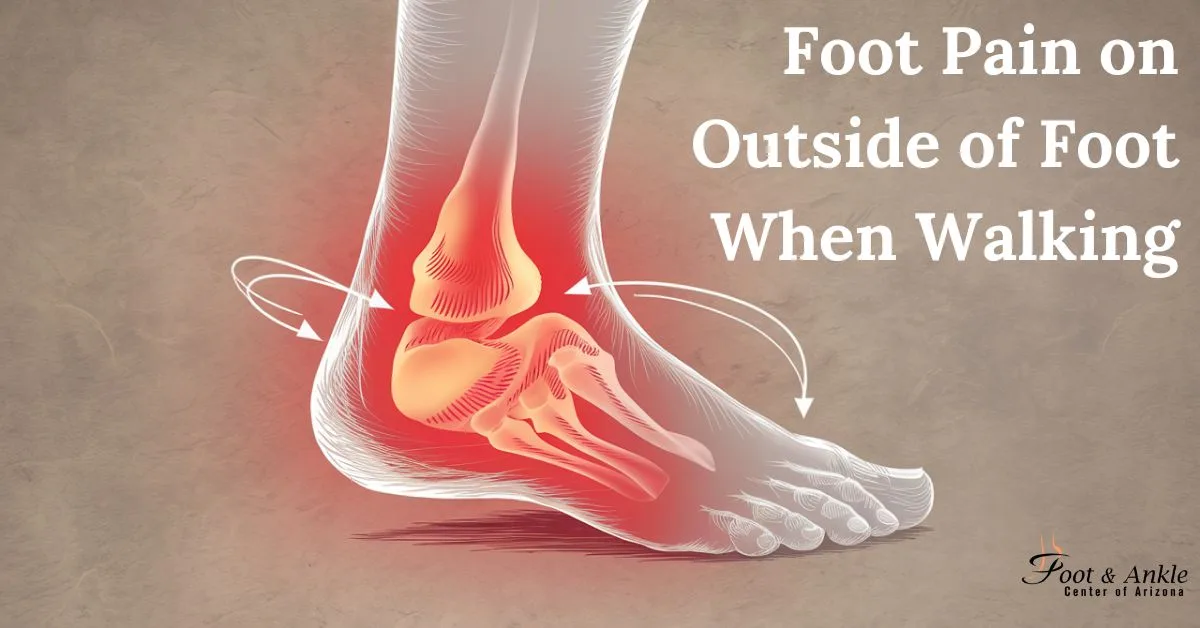
Are you experiencing pain on the side of your foot? It is actually very common. Luckily, once properly diagnosed with lateral foot pain, there are ways to treat it, even in the comfort of your own home.
Lateral foot pain is pain on the outer side of the foot. This is oftentimes tied to cuboid syndrome, which is when the bone on the outside of the foot shifts out of place. Torn joints and ligaments typically cause the bone to shift. This can happen over time or suddenly due to an ankle sprain. Quality treatment is needed for relief.
There are a few different causes of lateral foot pain such as injury to the area of the foot, an ankle sprain, or excessive traction on the bone. Also, repetitive activities such as running and jumping can cause lateral foot pain. This is why ballet dancers, runners, and athletes experience lateral foot pain often. People with flat feet also tend to suffer more with pain on the side of their foot.
The first sign of lateral foot pain is pain on the side of the foot extending from the ankle to the toes. Lateral foot pain can also cause a limp. Tenderness, swelling, difficulty walking, and putting pressure on your foot can also be symptoms of lateral foot pain.
Diagnosing lateral foot pain isn’t always easy. A foot doctor in Scottsdale, AZ can examine to foot, and swelling of the cuboid bone is usually a tell-tale sign.
However, for a more accurate diagnosis from your podiatrist, an MRI, CT scan, or X-ray may be needed.
The treatment plan for lateral foot pain depends on the severity of the pain. Usually, ice, plenty of rest, custom foot orthotics, a brace, and certain exercises can help with lateral foot pain. Elevation helps with the swelling and compression with an elastic bandage can also be helpful. In more extreme cases, other treatment options such as surgery are needed.
Before starting any exercises, always consult with a podiatrist for approval. Also, some home stretches can be done to help relieve the pain.
It takes time to strengthen your foot and ankle, so always listen to your body. Start by gently massaging your foot for relief. For a nice stretch, sit in a chair and gently pull your toes upward towards the ankle. This should help loosen any extra tension in the area.
The Foot and Ankle Center of Arizona offers specialized care and treatment options for all types of foot and ankle pain, including lateral foot pain. After receiving the best possible care at the Foot and Ankle Center of Arizona, you will receive a comprehensive treatment plan to get you on the road to recovery.
Lateral foot pain can originate from several structural elements that work together to provide support, flexibility, and movement within the foot. These include bones, tendons, ligaments, and joints. Knowing the anatomy of the outer side of the foot explains possible causes of lateral leg pain and suggests appropriate treatment. This article describes the major bones, tendons, and ligaments along with the nerves involved in the lateral part of the foot and their functions to the general function of the foot.
The bones in the lateral part of the foot are important in terms of balance and weight distribution, which is crucial during walking or running. The key bones related to the outer foot are as follows:
The tendons and ligaments in the outer foot are very important in the stabilization and support of movements of the foot. These either connect bones together or to muscles and thus provide for smooth movement and the weight-bearing functions of the foot.
The lateral part of the foot is enabled with various joints that provide movement and flexibility, while nerves help in conducting signals which contribute to pain sensation and overall functioning of the foot. Following are some of the key joints and nerves involved:
Lateral foot pain is a common issue for people who walk, run, or have to stand for long periods of time. Pain on the outside of the foot can vary from mild discomfort to sharp and debilitating. This can be extremely debilitating, and understanding the causes and how to address the pain effectively is crucial for the relief and prevention of long-term problems.
Several conditions can lead to lateral foot pain, each with its unique characteristics and treatment needs:
Peroneal tendinitis involves the inflammation of the tendons along the outer ankle and foot. These tendons supply stability to the foot, with overuse from walking or standing being capable of irritating these tissues. Pain and swelling that is exacerbated by movement commonly result.
Stress fractures are small breaks in the bone from chronic force; they are common in persons who walk or run a lot. They classically present with pinpoint pain that is worse with activity. The stress fractures of the fifth metatarsal, or the bone of the lateral foot, are commonly seen in lateral foot pain.
The cuboid syndrome type is a slight misalignment of the cuboid bone—usually due to trauma to the ankle or repeated stress. It causes a sharp, sharp pain on the outside of the leg, which may worsen with walking or weight bearing. Ankle sprains cause discomfort on the outside of the foot. Even a minor sprain can cause chronic pain deep in the foot, especially after a long walk.
The joints of the foot can show arthritis, especially in older people or those who have had previous foot injuries. Pain associated with arthritis is usually accompanied by stiffness and swelling and is typically worse after activity.
Individuals with high arches or those with flat feet will expose the outside of their feet to additional pressure while walking. This could be because of a structural imbalance that pulls on the lateral side; at times, it may create pain over time.
Pain on the outside of the foot when walking can manifest in several ways, depending on the underlying cause:
Certain risk factors can make someone more susceptible to experiencing lateral foot pain:
A professional diagnosis is important to determine the cause of lateral foot pain. Diagnostic approaches may include:
During an initial evaluation, a healthcare provider will examine the foot’s movement, alignment, and areas of tenderness.
A gait analysis is often performed to identify abnormal walking patterns that may contribute to lateral foot pain.
For immediate relief, self-care techniques can help manage symptoms and prevent further discomfort:
Reducing physical activity can help the affected area recover. Avoiding prolonged standing or walking is recommended.
Applying ice can reduce inflammation and alleviate pain. Use an ice pack for 15-20 minutes, several times a day.
Elevating the foot above heart level can help decrease swelling, particularly after long periods of walking or standing.
Wearing shoes with proper support and cushioning helps redistribute pressure and align the foot properly, reducing strain on the outer side.
If self-care doesn’t provide enough relief, a healthcare provider can recommend additional treatments:
Custom orthotics or lateral heel wedges can provide targeted support for foot alignment, reducing stress on the outer foot.
Exercises designed to strengthen the muscles in the foot and ankle improve stability and support. Balance training may also help correct gait issues.
Nonsteroidal anti-inflammatory drugs (NSAIDs) can help reduce inflammation and pain, especially during acute flare-ups.
For chronic pain cases, corticosteroid injections may provide significant relief by reducing inflammation in the affected area.
In severe cases, such as ongoing pain from structural misalignments or chronic tendonitis, surgery may be necessary. This option is typically reserved for patients who do not respond to conservative treatment.
Lateral foot pain may be caused by conditions like peroneal tendonitis, stress fractures, or improper footwear.
Yes, repetitive walking or high-impact activities can strain the outer side of the foot, leading to pain.
Shoes with adequate arch support, cushioning, and proper fit can help reduce strain on the lateral foot.
Recovery time varies depending on the cause and treatment but typically takes a few weeks to several months with proper care.
If pain persists or worsens, it’s advisable to rest and consult a healthcare provider for appropriate treatment.
The most common cause of lateral foot pain is peroneal tendonitis, which is often due to overuse or repetitive strain on the outer foot tendons, especially in activities that involve running, jumping, or sudden directional changes.
Yes, mild cases of lateral foot pain can improve with rest, ice, compression, and elevation (RICE). Stretching, avoiding activities that strain the foot, and wearing supportive footwear may also help. However, if pain persists, medical attention is recommended.
Footwear with good arch support, a cushioned sole, and a stable, firm heel counter is best for preventing lateral foot pain. Shoes that provide shock absorption and lateral support can reduce strain on the outer foot.
It’s best to avoid high-impact activities if you have lateral foot pain. Light, low-impact exercises, like swimming or cycling, may be safe, but consult a healthcare professional to prevent further injury.
Recovery time varies based on the severity of the pain and treatment methods. Mild cases may improve within a few days to weeks, while more severe injuries can take several weeks to a few months to heal fully.